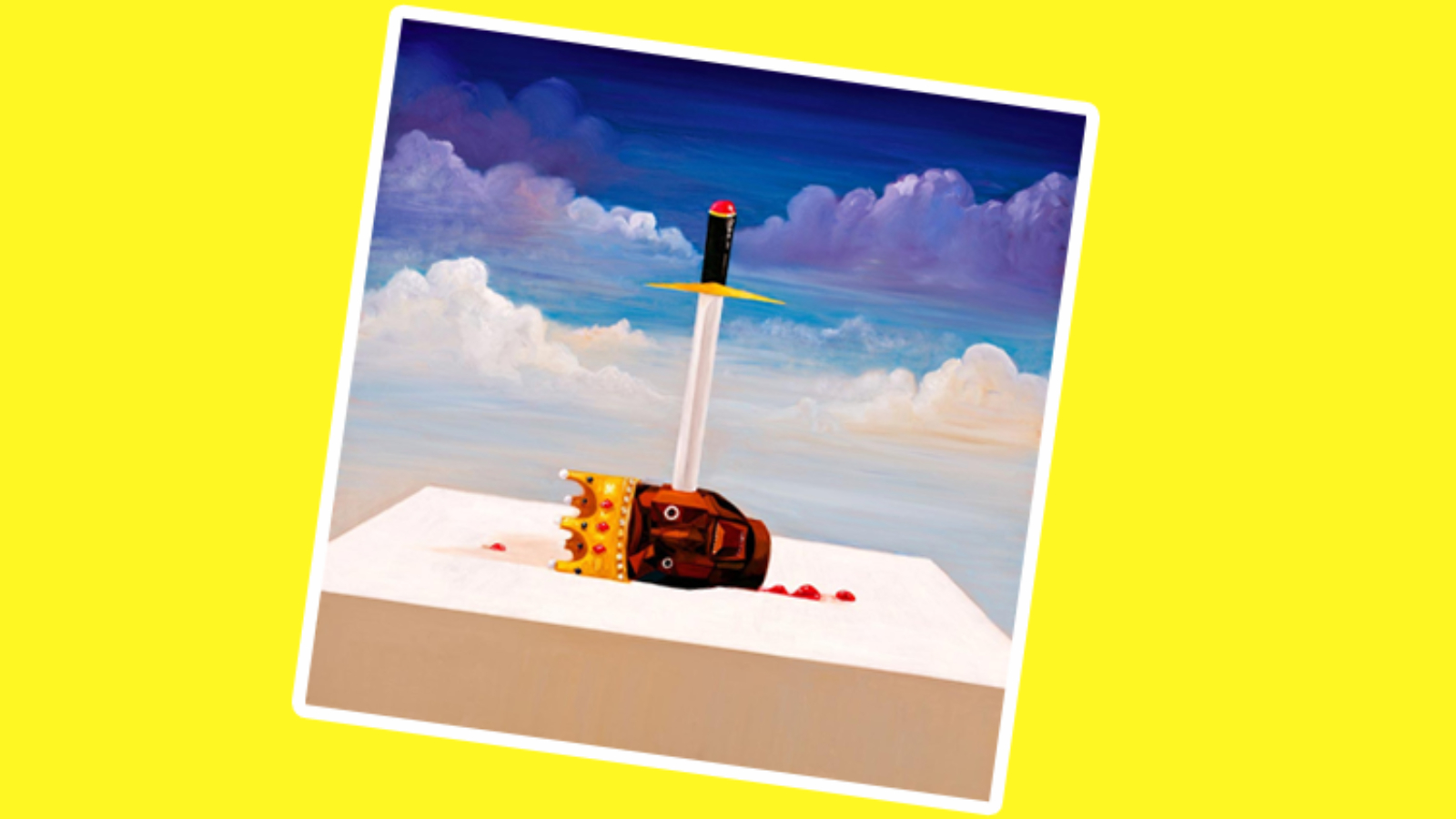
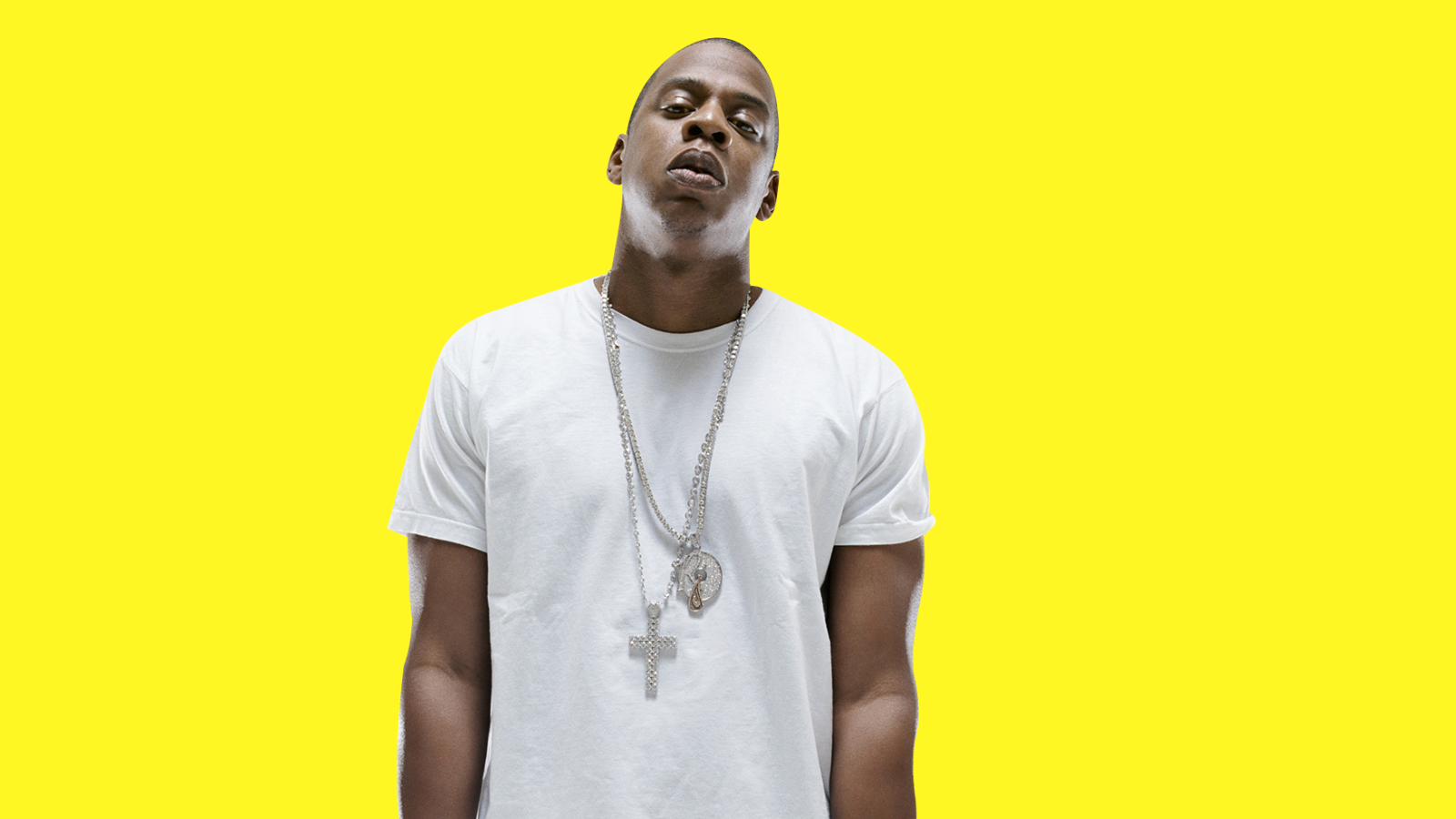
Lemonade ep available now play FEATURED ALBUMS Next EventS 08 Sep 2026 CMJ Parkside Festival With Galapaghost, Tori Gates, Indiana | Veinna, Austria Buy Tickets 06 Dec 2026 Acoustic Performance With Maskatomb | Las Vegas, US Buy Tickets 10 Dec 2026 Frankfort Igloo Festival With DJ Sonaar | New York, US Buy Tickets View all dates Get 10% Off Your First Order shop now Instagram Air Max Day 2026: How New York Reminded Nike Why Air Still Matters Every sneaker brand has a signature franchise. For Nike, it's Air Max. And on March 26, 2026, the Swoosh returned to New York City the birthplace of countless sneaker trends to celebrate Air Max Day with one of its strongest lineups in years. More than a product launch, the event felt like a strategic reset for a company attempting to reconnect with sneaker culture after a period of slowing momentum and increased competition. Why New York Still Owns Air Max Culture Few cities have influenced the Air Max story like New York. From the Air Max 95 becoming a streetwear staple to the rise of Uptown sneaker culture in the Bronx, New York has long been one of the most important proving grounds for Nike's visible-Air technology. Nike leaned into that history throughout 2026, using New York creatives and community-driven storytelling to frame the future of the Air Max line. The company's "Uptown Innovation" campaign highlighted Bronx artists, designers, and cultural leaders while positioning Air Max as both a legacy product and a platform for new ideas. Rather than relying solely on celebrity endorsements, Nike appeared focused on reconnecting with local communities that helped build the brand's credibility decades ago. The Releases That Defined Air Max Day 2026 Nike's Air Max Day lineup balanced nostalgia and innovation better than it has in years. Among the standout releases were: Air Max 95 "Pink Foam" Air Max 95 Big Bubble "Volt" Air Max 95 Big Bubble Multi-Color Air Max 90 "Infrared" Air Max 90 Vast Grey Air Liquid Max "Green Apple" The Air Max 95 emerged as the centerpiece of the celebration. Multiple releases paid tribute to one of Nike's most influential silhouettes, a model that continues to resonate more than three decades after its debut. Collaborations also played a major role. Patta returned with a new Air Max 1 colorway, while Ducks of a Feather delivered Oregon inspired Air Max 95s that became some of the most discussed releases of the season. The Legacy Models That Continue To Carry The Brand One of the biggest takeaways from Air Max Day 2026 was Nike's increasing reliance on heritage. The company once built Air Max Day around groundbreaking technology. Today, many of the year's biggest moments are driven by models that first appeared decades ago. The pillars remain: Air Max 1 (1987) Air Max 90 (1990) Air Max 95 (1995) Air Max 97 (1997) Air Max Plus (1998) The Air Max 95, in particular, has become Nike's equivalent of a blue-chip asset. The return of "Neon" colorways and multiple anniversary-inspired releases demonstrated how powerful the silhouette remains among collectors and casual consumers alike. Yet there is an ongoing debate within the sneaker community. Some enthusiasts have questioned whether Nike is leaning too heavily on retro releases rather than creating future classics. Discussions across sneaker forums and Reddit reflected concerns that nostalgia may be overshadowing innovation. The Boardroom Shift Behind The Sneakers The bigger story may not have been the shoes themselves. Throughout 2026, Nike's leadership signaled a renewed commitment to innovation after several years of criticism that the brand had become overly dependent on archival products and limited-edition collaborations. The launch of the Air Liquid Max represented one aspect of that strategy. Rather than simply reissuing an old favorite, Nike introduced an entirely new Air Max silhouette built around a sculpted, futuristic Air unit system. The model became the technological centerpiece of Air Max Day. Beyond footwear, Nike executives have also outlined plans to expand Air technology into apparel and performance systems. Through initiatives such as Unlimited Air and the newly announced Air Works program, the company is positioning Air as a broader innovation platform rather than just a sneaker feature. In simple terms, Nike's boardroom appears to be pursuing a two-pronged strategy: Monetize iconic heritage products. Invest in the next generation of Air technology. The challenge is balancing both without alienating either collectors or younger consumers. The Future Of Air Air Max Day 2026 felt less like a celebration and more like a referendum. The success of legacy models proved that classics such as the Air Max 95 and Air Max 90 still command attention. At the same time, the introduction of the Air Liquid Max suggested Nike understands that nostalgia alone cannot carry the franchise forever. For nearly 40 years, Air Max has survived changing trends, economic cycles, and evolving sneaker tastes because it represented something larger than footwear: visible innovation. As Nike looks toward the Air Max 1's 40th anniversary and the next era of Air technology, New York's 2026 celebration served as a reminder that the future of the franchise may depend on honoring its past without becoming trapped by it. The Streaming Economy: How Music Became Infinite, Why Artists Get Paid Pennies, and Who Really Wins When the music industry embraced streaming, it promised a revolution. Piracy had devastated CD sales throughout the early 2000s. Consumers had grown accustomed to downloading music for free, record stores were closing, and labels were desperately searching for a business model that could restore value to recorded music. Then came streaming—a model that shifted music from ownership to access. For listeners, it was almost magical. Instead of paying for a single album, a monthly subscription unlocked access to tens of millions of songs from around the world. The inconvenience of purchasing CDs or downloading MP3 files disappeared overnight. For the industry, however, streaming fundamentally changed how music generates money. The biggest misunderstanding surrounding streaming is the belief that every play earns an artist a fixed amount, often quoted as "$0.0001 per stream." That figure has become shorthand for the frustration many musicians feel, but it oversimplifies how the system actually works. Streaming platforms do not pay a flat fee every time someone presses play. Instead, they collect revenue from subscriptions and advertising, place that money into a royalty pool, retain a portion to cover operating costs, and distribute the remainder to rights holders based on each recording's share of total streams during a given period. The value of a single stream therefore fluctuates constantly, influenced by factors such as the listener's country, whether they use a paid or free account, exchange rates, licensing agreements, and the platform itself. The result is that one million streams may generate very different amounts depending on where those plays originate and who owns the underlying rights. For many independent musicians, this reality can feel disappointing. A song that reaches hundreds of thousands of listeners may still produce relatively modest income once royalties pass through distributors, publishers, collaborators, producers, songwriters, managers, and, where applicable, record labels. By the time the artist receives their share, the headline streaming numbers often bear little resemblance to the money deposited into their account. That naturally raises an uncomfortable question. If artists receive what appears to be such a small payment per stream, who is actually making money? The answer begins with understanding how the music business has always operated. During the CD era, success depended on convincing consumers to buy an entire album. A fan might spend the equivalent of fifteen or twenty dollars for one release, even if they only loved three songs. Record labels invested heavily in manufacturing, shipping, warehousing, retail partnerships, marketing campaigns, and physical distribution. Every CD carried production costs before it ever reached a customer. Streaming eliminated many of those expenses. There are no discs to press, no trucks transporting inventory, no shelves waiting to be stocked, and no unsold copies being returned to warehouses. A song uploaded today can become available in hundreds of countries almost instantly, reducing distribution costs to a fraction of what they once were. At first glance, that should mean artists earn more. Yet the economics tell a different story. Instead of receiving a large payment whenever someone purchased an album, musicians now depend on repeated listening over months or even years. A fan who once bought a CD for twenty dollars now pays a monthly subscription that grants access to virtually every song ever recorded. That subscription revenue must then be divided among millions of artists competing for attention. The pie became much larger. It also became shared among far more participants. Ironically, streaming has created one of the most stable periods in modern music industry history. Annual subscription revenue arrives every month rather than relying on blockbuster album releases. Investors appreciate predictable income, technology companies benefit from recurring subscribers, and record labels enjoy catalogues that continue generating royalties decades after their original release. In many ways, the greatest asset in today's music business is no longer the next hit single. It is ownership. Major record companies possess enormous catalogues containing hundreds of thousands of recordings. Every day those songs generate streams around the world, creating recurring income without requiring new production costs. Songs released thirty or forty years ago continue earning money alongside today's chart-toppers. Ownership has become more valuable than ever before. This explains why labels have spent billions acquiring publishing catalogues and master recordings from legendary artists. They are investing in assets that produce income every single day. Streaming has transformed songs into financial infrastructure. Artists occupy a more complicated position within this system. Independent musicians arguably have more freedom than at any point in history. Digital distributors make global releases possible without manufacturing costs or physical retailers. A bedroom producer can reach audiences across continents with little more than a laptop and an internet connection. Yet that same accessibility has flooded the market with unprecedented competition. Tens of thousands of new tracks arrive on streaming services every day. Discoverability has become one of the industry's greatest challenges. Releasing music is no longer difficult; convincing listeners to choose it is. This abundance has shifted power toward recommendation algorithms. Editorial playlists, personalized recommendations, and automated discovery systems increasingly determine which songs succeed and which disappear beneath the sheer volume of new releases. Attention has become the industry's most valuable currency. Artificial intelligence threatens to reshape this landscape once again. Already, AI assists with mastering, mixing, songwriting, translation, marketing, playlist recommendations, and audience analysis. It lowers production costs and allows independent artists to work faster than ever before. The more controversial question concerns AI generated music itself. If software can compose convincing songs in seconds, what happens when streaming platforms become saturated with machine-generated content? Rights holders, streaming services, and regulators are already grappling with issues surrounding copyright, consent, licensing, and the misuse of artists' voices and likenesses. The challenge is not simply technological. It is economic. Every AI generated stream competes for a share of the same royalty pool. As more content enters the ecosystem, each individual recording may find itself competing for an increasingly fragmented audience. Without safeguards, the economics of streaming could become even more challenging for human creators. At the same time, AI may also become one of the greatest productivity tools musicians have ever possessed. Artists who embrace it as a creative assistant rather than a replacement may find themselves producing better music, marketing more effectively, and building stronger relationships with fans. Technology has always rewarded adaptation. So who really wins in the streaming era? Consumers are undoubtedly among the biggest beneficiaries. For the price of a single album each month, listeners gain instant access to one of the largest entertainment libraries ever assembled. Streaming companies benefit from subscription-based revenue that scales globally, while investors value the predictability of recurring income. Record labels have also emerged in a strong position, particularly those controlling extensive catalogues that continue generating royalties year after year. Their business has evolved from selling products to managing intellectual property with long-term earning potential. Artists occupy both sides of the equation. Independent musicians have unprecedented access to worldwide audiences without needing physical distribution or major label infrastructure. At the same time, earning a sustainable income from recordings alone has become increasingly difficult, making touring, merchandise, brand partnerships, licensing, fan subscriptions, and direct to consumer experiences essential parts of a modern music career. The future of streaming will likely be defined by personalization, artificial intelligence, immersive audio, direct fan engagement, and new royalty models that seek to balance fairness with commercial sustainability. Whether those changes improve life for creators remains one of the music industry's most important unanswered questions. One thing, however, seems certain. The era of selling plastic discs is unlikely to return. Music has evolved from a product that people own into a service they access. Success is no longer measured by how many albums leave a store on release day, but by how consistently songs remain part of people's lives months, years, and even decades after they are released. In the streaming economy, the most valuable hit is no longer the one that sells the fastest. It is the one that never stops being played. The Producer's Magnum Opus: A Deep Dive into Kanye West's Production on My Beautiful Dark Twisted Fantasy Few producers in hip-hop have reinvented themselves as many times as Kanye West. From the soulful chipmunk samples of The College Dropout, to the orchestral bombast of Late Registration, the electronic experimentation of 808s & Heartbreak, and eventually the maximalist masterpiece that became My Beautiful Dark Twisted Fantasy (MBDTF), Kanye has consistently refused to remain creatively stagnant. Released in November 2010, My Beautiful Dark Twisted Fantasy arrived during one of the lowest moments of Kanye's public life. Following the infamous interruption at the MTV Video Music Awards in 2009, public opinion had turned sharply against him. Rather than respond with interviews or apologies alone, Kanye retreated to Hawaii—specifically Avex Recording Studio in Honolulu—where he assembled what many describe as hip-hop's equivalent of an all-star team. Artists, producers, musicians, engineers, and writers rotated through marathon recording sessions, often working nearly around the clock. Kanye's vision wasn't simply to make another rap album; it was to create a modern masterpiece where every second mattered. And that philosophy is exactly what separates My Beautiful Dark Twisted Fantasy from almost every other rap album ever made. Production as Architecture Listening to MBDTF is less like hearing beats and more like walking through a carefully designed cathedral. Each song evolves continuously. Instruments appear, disappear, and re-emerge with new textures. Choirs swell unexpectedly. Strings enter without warning. Percussion changes halfway through songs. Background vocals often function as instruments rather than supporting harmonies. Instead of loop-based hip-hop production, Kanye approached each track almost like a film score. This cinematic philosophy defines the album. Unlike traditional rap records built around repetitive four-bar loops, nearly every record here contains multiple movements. Songs expand rather than repeat. The production breathes. "Dark Fantasy" – The Opening Statement The album begins with a spoken-word introduction before exploding into thunderous drums, layered synthesizers, and triumphant vocal arrangements. The production immediately establishes several themes: grand orchestration heavy vocal layering dramatic dynamic shifts enormous stereo width dense low-end mixed with pristine clarity Rather than easing listeners into the album, Kanye overwhelms them intentionally. Everything sounds larger than life. Sampling Without Depending on Samples One misconception surrounding Kanye's career is that he is "just a sample producer." By 2010, Kanye had evolved far beyond chopping soul records. While MBDTF certainly contains numerous samples, they're rarely presented in obvious ways. Instead, samples become ingredients. Many are pitch-shifted, replayed by musicians, layered beneath orchestras, chopped into rhythmic textures, or blended so seamlessly with live instrumentation that casual listeners often don't recognize them. This approach reflects the influence of classic producers like Quincy Jones and film composers more than traditional hip-hop beatmakers. The sample is no longer the song. It becomes one color on an enormous canvas. "Power" – Organized Chaos "Power" is perhaps the clearest demonstration of Kanye's philosophy. The production feels almost impossible. Marching drums. African-inspired vocal chants. Industrial synthesizers. Progressive rock textures. Choirs. Layered percussion. Distorted bass. Minimal verses. Every component competes for attention. Yet somehow nothing sounds cluttered. This balance wasn't accidental. Reports from recording sessions describe Kanye obsessively muting and unmuting individual sounds for hours, searching for microscopic improvements. The result is a mix where dozens of layers somehow occupy their own space. Mike Dean: The Secret Weapon Although Kanye receives production credit, one cannot discuss MBDTF without acknowledging Mike Dean. Dean's analog synthesizer work, guitar contributions, engineering expertise, and mixing philosophy helped translate Kanye's ambitious ideas into reality. Many of the soaring synth outros and massive low-end textures bear Dean's unmistakable signature. Rather than replacing Kanye's vision, Dean amplified it. The partnership became one of the most influential producer/engineer collaborations in modern hip-hop. Live Musicians Changed Everything One of the defining characteristics of MBDTF is its reliance on live musicians. Strings. Pianos. Guitars. Brass. Choirs. Percussionists. Instead of relying solely on software instruments, Kanye frequently hired session musicians to replay melodies or create entirely new arrangements. The subtle imperfections of human performance give the album remarkable depth. Everything feels alive. "Runaway" – Minimalism at Its Finest Ironically, the album's biggest production flex is also its simplest. "Runaway" begins with perhaps the most famous single piano note in modern hip-hop. One note. Then silence. That restraint is intentional. The track slowly accumulates layers over nine minutes without ever feeling rushed. Drums remain understated. Strings appear carefully. The vocoder finale abandons conventional song structure altogether. Rather than chasing radio expectations, Kanye allows emotion to dictate arrangement. The production proves that complexity isn't measured by the number of sounds. It's measured by how effectively those sounds are introduced. The Obsession with Perfection Stories from the Hawaii sessions have become legendary. Vocals reportedly recorded dozens of times. Snare drums replaced repeatedly. Entire songs rebuilt. Guests flying across the world for a single verse. Engineers recalling 90-hour work weeks. Kanye treated the album almost like a luxury fashion collection. Nothing shipped unless it met impossible standards. This perfectionism explains why the album still sounds expensive over fifteen years later. "Devil in a New Dress" Many fans consider this the album's production masterpiece. The beat unfolds patiently. Warm vinyl textures. Soulful instrumentation. Sparse drums. Then Mike Dean's iconic guitar solo transforms the record into something resembling progressive rock. The production refuses to stay inside genre boundaries. Soul becomes hip-hop. Hip-hop becomes rock. Rock becomes orchestral music. Layering Like a Film Composer One hallmark of Kanye's production is vertical layering. Instead of stacking sounds randomly, he organizes them into emotional sections. Foreground: Lead vocals, drums. Middle: Keys, guitars, orchestral instruments. Background: Choirs, ambient textures, reversed effects, vocal pads. This creates incredible depth. Headphones reveal dozens of hidden musical details that disappear on smaller speakers. Repeated listens become rewarding because listeners continually discover something new. Dynamics Matter Modern music often suffers from being loud all the time. MBDTF avoids this trap. Songs become quieter before exploding again. Drums disappear. Vocals isolate. Strings swell. Choirs enter unexpectedly. These dynamic shifts create emotional tension. Silence becomes as important as sound. Why the Album Still Sounds Modern Technology evolves quickly. Production trends change every few years. Yet MBDTF rarely sounds dated. Why? Because Kanye wasn't chasing trends. Instead, he borrowed timeless musical concepts: orchestral arranging live instrumentation harmonic layering cinematic pacing dynamic storytelling These ideas existed long before digital production software. As a result, the album ages gracefully. Kanye the Producer vs Kanye the Rapper Much of the public discussion surrounding Kanye focuses on lyrics, controversy, or celebrity. But MBDTF reminds listeners that his greatest instrument has always been production. Even artists with stronger technical rapping ability have struggled to create albums with this level of sonic ambition. Kanye hears records differently. He doesn't merely make beats. He builds worlds. The Legacy More than fifteen years after its release, My Beautiful Dark Twisted Fantasy remains one of hip-hop's most studied albums not simply because of its commercial success or critical acclaim, but because of its craftsmanship. It demonstrated that rap albums could embrace the scale of cinema, the precision of classical composition, and the emotional depth of progressive rock without sacrificing the core identity of hip hop. The record also reshaped production standards. Grand orchestration, layered vocal arrangements, seamless transitions, and meticulous sound design became aspirations for a new generation of producers. While many have borrowed pieces of its formula, few have recreated its balance of ambition and cohesion. Ultimately, the album's greatest achievement isn't that every beat is technically impressive. It's that every production decision serves the larger emotional narrative. The music feels excessive when excess is the point, restrained when vulnerability takes center stage, and cinematic from beginning to end. For producers, My Beautiful Dark Twisted Fantasy is more than an album it's a masterclass in arrangement, patience, collaboration, and the relentless pursuit of sonic perfection. Whether one views Kanye West as one of music's greatest producers or simply one of its boldest innovators, this album remains the clearest evidence of what can happen when technical skill meets uncompromising artistic vision. Drake's 'ICEMAN' Is More Than A Comeback Album. It's A Scorecard Against Every Enemy Who Counted Him Out For nearly two years, hip hop's biggest question wasn't whether Drake would respond, it was how. Following his highly publicized battle with Kendrick Lamar and months of public ridicule, memes, diss records, and industry scrutiny, Drake returned with ICEMAN, the centerpiece of a historic three album release that included HABIBTI and MAID OF HONOUR. The result wasn't merely a commercial victory. It was a statement. And according to the numbers, one of the biggest statements of Drake's career. The Numbers Say Drake Never Left Upon release, ICEMAN debuted at No. 1 on the Billboard 200 with 463,000 equivalent album units, becoming Drake's 15th Billboard No. 1 album and pushing him past Jay-Z for the most No. 1 albums by a male solo artist in chart history. Even more impressive, Drake simultaneously debuted ICEMAN, HABIBTI, and MAID OF HONOUR at Nos. 1, 2, and 3 on the Billboard 200, a feat never previously achieved by any artist. On the streaming side, ICEMAN became Spotify's most-streamed album of 2026 in a single day while Drake himself became the platform's most-streamed artist in a single day during the release window. The album has since remained atop the Billboard 200 for multiple weeks, solidifying itself as one of the year's biggest releases. "What Did I Miss?" Started The Conversation Long before the album arrived, Drake's lead single "What Did I Miss?" served as a warning shot. The record debuted at No. 2 on the Billboard Hot 100 and became Drake's 81st Top 10 hit, extending his all-time record. More importantly, it addressed what Drake viewed as betrayal from friends, peers, and industry allies who seemingly switched sides during his feud with Kendrick Lamar. Throughout the record, Drake repeatedly questions loyalty and asks who remained in his corner when public opinion shifted. The song wasn't aimed at one person—it was aimed at everyone. 'Janice STFU' Turned Frustration Into A Chart-Topping Anthem If "What Did I Miss?" was reflective, "Janice STFU" was direct. The record debuted at No. 1 on the Billboard Hot 100, giving Drake another chart-topping single and helping fuel one of the most dominant chart weeks of his career. The title itself felt like Drake abandoning subtlety altogether. Across the album, he revisits themes that have dominated his post-beef music: Fake friends Industry politics Loyalty Public perception Revenge Survival at the top Drake Addressed More Than Kendrick One of the biggest misconceptions surrounding ICEMAN is that it's solely about Kendrick Lamar. It's not. The project frequently sounds like Drake responding to an entire ecosystem: Former friends Industry executives Social media critics Fellow artists who remained silent Celebrities who publicly embraced Kendrick's side during the feud Observers noted that Drake's music throughout the era repeatedly references feeling abandoned by longtime allies and frustrated by what he perceives as selective loyalty. Rather than delivering another direct diss track, ICEMAN often operates as a running commentary on reputation management. Billboard Rankings: Where Does Drake Stand Now? With the success of ICEMAN, Drake's Billboard résumé has become nearly untouchable. Among his current achievements: 15 Billboard 200 No. 1 albums 14 Hot 100 No. 1 singles Over 400 Hot 100 entries Record holder for most Top 10 Hot 100 hits Record holder for most No. 1 song debuts on the Hot 100 In practical terms, Drake now occupies a position where almost every major Billboard record conversation begins with his name. The Real Impact Of 'ICEMAN' Whether listeners believe Drake won, lost, or survived the Kendrick Lamar battle, ICEMAN accomplished something important: It proved that commercial dominance and cultural criticism are not always the same thing. Critics questioned the artistic direction of the project, arguing that Drake remained focused on old grievances. Fans, meanwhile, streamed the music at historic levels. The disconnect highlights a reality that has defined Drake's career for over a decade: he is often judged by different standards than everyone else. For most artists, surviving the biggest rap battle of the decade would be enough. For Drake, the expectation was reinvention. Instead, ICEMAN chose another route reminding the industry that even after public setbacks, chart records still belong to him. And judging by the Billboard numbers, listeners were willing to hear him out. The End of an Era: Why MTV Left Africa and What It Means for the Continent's Music Industry For millions of Africans growing up in the late 1990s and throughout the 2000s, MTV was far more than just another television channel. It was the soundtrack to youth culture, a gateway to global entertainment, and for many aspiring artists, the ultimate symbol of success. Whether it was the latest hip-hop videos from the United States, groundbreaking African music, exclusive celebrity interviews, or live coverage of the MTV Africa Music Awards, the network occupied a unique space that few broadcasters could rival. MTV Base Africa, in particular, became one of the continent's most influential music platforms. It didn't simply broadcast music videos it helped shape conversations around fashion, lifestyle, culture, and entertainment while introducing audiences to artists who would later become household names. At a time when digital streaming was still in its infancy, appearing on MTV often meant an artist had reached another level of recognition. Today, that influence has faded considerably. Across much of the continent, MTV's presence has become increasingly limited as television channels disappeared from pay TV packages and locally produced programming became less frequent. To many viewers, it seemed as though MTV had quietly walked away from Africa. The reality, however, is far more complex than a company simply abandoning a market. The story begins with a dramatic shift in how people consume music. For decades, television networks like MTV thrived because they controlled music discovery. If fans wanted to watch the newest music videos or discover emerging artists, they had little choice but to tune into scheduled broadcasts. That model proved incredibly successful for years, creating a business built on advertising revenue, subscription fees from television providers, and sponsorship agreements with major brands eager to reach younger audiences. But the rise of smartphones fundamentally changed those habits. As internet access expanded across Africa and mobile technology became increasingly affordable, viewers no longer needed to wait for television schedules to enjoy music. Platforms such as YouTube allowed fans to watch videos instantly, while music streaming services gave listeners access to millions of songs whenever they wanted. Social media added another layer to this transformation, turning short-form videos into one of the primary ways new music spread across the internet. Music discovery became personal rather than programmed. Instead of MTV deciding which songs deserved attention, recommendation algorithms began introducing audiences to artists based on individual listening habits. Overnight success was no longer dependent on television rotation. A viral social media clip could launch a career faster than months of traditional broadcasting ever could. For MTV, this represented a fundamental challenge to its business model. Running a television network requires enormous investment. Broadcast infrastructure, satellite distribution, licensing agreements, production teams, presenters, marketing departments, studio facilities, and technical operations all contribute to significant operating costs. Those expenses become increasingly difficult to justify when audiences steadily migrate toward digital platforms. Advertising quickly followed those audiences. Brands discovered they could spend their budgets more efficiently online, targeting consumers with remarkable precision while measuring engagement almost instantly. Traditional television simply couldn't offer the same level of data or flexibility. As advertising revenue shifted away from broadcast media, maintaining regional music channels became a far more difficult financial proposition. Africa was not experiencing a unique problem. The same challenges were affecting music television around the world. Throughout the past decade, Viacom underwent substantial corporate restructuring as the global media industry responded to changing consumer behavior. The company increasingly focused its resources on businesses capable of generating stronger long-term returns, particularly digital distribution and premium entertainment properties. Across multiple regions, traditional cable networks faced budget reductions, operational consolidation, and changing programming strategies. MTV's reduced investment in African television reflected broader global trends rather than a decision aimed specifically at the continent. That doesn't mean Africa escaped the cultural consequences. For years, MTV had served as more than a broadcaster. It was an institution that celebrated African creativity at a time when relatively few international platforms consistently showcased the continent's artists. Programmes highlighted emerging talent, covered entertainment news, produced interviews, and connected audiences across national borders. The MTV Africa Music Awards became one of the industry's most recognizable celebrations, offering artists exposure that extended far beyond their home countries. Its gradual decline left a noticeable gap within African entertainment media. Yet the timing was somewhat ironic. While traditional television was losing influence, African music itself was entering its most successful period on the global stage. Afrobeats, Amapiano, Afro-house, and numerous regional genres began reaching audiences across Europe, North America, Asia, and Latin America through streaming platforms rather than television channels. Artists who once depended on music video rotations suddenly possessed the ability to distribute their work directly to listeners around the world. In many respects, the barriers that MTV once helped artists overcome had largely disappeared. A musician no longer needed approval from television executives to reach an international audience. A smartphone, an internet connection, and compelling music could achieve what once required an expensive promotional campaign. Social media transformed fans into marketers, while streaming services removed geographical limitations that had previously restricted African artists from competing on a global scale. The downside, however, is that visibility has become more competitive than ever before. When MTV dominated music television, a limited number of artists received significant exposure. Today's creators have unprecedented freedom, but they also compete for attention alongside millions of musicians releasing music every week. The gatekeepers may have disappeared, but the challenge of standing out has only intensified. Looking back, MTV's reduced footprint in Africa symbolizes more than the decline of a television network. It reflects one of the most significant transformations in media history a shift away from scheduled broadcasting toward a world where audiences consume entertainment entirely on their own terms. For Viacom, scaling back traditional music television was ultimately a commercial decision driven by changing viewing habits and evolving economics. Maintaining expensive regional broadcast operations became increasingly difficult as younger audiences embraced digital platforms and advertisers redirected their investments toward online media. For Africa, however, the story is more nuanced. The continent lost one of its most influential cultural platforms, but it simultaneously gained something perhaps even more valuable: independence. African artists no longer need television networks to validate their work or introduce them to global audiences. They now possess the tools to build international careers directly, reaching millions of listeners without waiting for permission from broadcasters. MTV helped define an era of African entertainment, but its departure also marked the beginning of another. The future of African music will almost certainly not be shaped by television channels. Instead, it will be written by streaming platforms, digital creators, independent publishers, podcasts, and artists who understand that in today's entertainment industry, the internet not cable television is the world's biggest stage. 20 Years of Reasonable Doubt: Jay-Z’s Blueprint for Legacy, Luxury, and Controversy When Jay-Z released Reasonable Doubt in 1996, it didn’t arrive with the explosive commercial dominance that would later define his career. Instead, it crept into the culture quietly, deliberately like the hustler persona it embodied. Two decades later, its 20th anniversary wasn’t just a celebration; it was a reaffirmation of how deeply the album reshaped hip hop’s narrative, aesthetic, and business mindset. The Album That Rewrote the Hustler’s Story Reasonable Doubt stood apart in an era where East Coast hip-hop was dominated by larger than life figures and street anthems. Jay-Z’s approach was different measured, introspective, and unapologetically luxurious. He didn’t just rap about survival; he detailed ambition, strategy, and consequence. Tracks like “Dead Presidents II” and “D’Evils” framed hustling not as glorification, but as a calculated lifestyle one that came with moral ambiguity. This layered storytelling helped redefine the “drug dealer rapper” trope into something more nuanced: a businessman navigating systemic constraints. In hindsight, this was the foundation of what would become hip hop’s entrepreneurial era. Before billion dollar brands and tech investments, Reasonable Doubt planted the seed that rap could be a gateway to corporate level thinking. Cultural Impact: The Birth of Aspirational Rap The album’s long term influence is undeniable. It introduced a blueprint that countless artists would follow: merge street credibility with executive ambition. Jay-Z didn’t just want to be rich he wanted ownership. That mindset influenced a generation: Artists began prioritizing equity over advances Lyrics shifted toward wealth-building and legacy The image of the rapper evolved into that of a mogul Without Reasonable Doubt, the rise of hip hop as a dominant business force might have looked very different. The 20th Anniversary Vinyl Release: Nostalgia Meets Strategy To commemorate the album’s 20th anniversary in 2016, Jay-Z reintroduced Reasonable Doubt through a premium vinyl release. This wasn’t just about nostalgia it was a strategic move aligning with the resurgence of vinyl culture and the increasing value of physical collectibles in a streaming era. The release positioned the album as both a cultural artifact and a luxury item mirroring the themes embedded in the music itself. It reinforced the idea that Reasonable Doubt wasn’t just an album; it was a piece of hip-hop history. The Target Backlash: When Business Clashes with Culture However, the anniversary rollout wasn’t without controversy. The decision to distribute the vinyl exclusively through Target sparked backlash among fans and critics. The criticism centered around a perceived contradiction: Jay-Z had previously been vocal about economic empowerment within Black communities Target, at the time, faced scrutiny over political donations that conflicted with those values For many, the partnership felt misaligned with the ethos of Reasonable Doubt an album rooted in independence and self-determination. This moment highlighted a recurring tension in hip-hop: the balance between cultural authenticity and corporate expansion. Jay-Z, as always, operated at that intersection, forcing audiences to confront uncomfortable questions about capitalism, loyalty, and growth. Legacy: More Than Music Twenty years on, Reasonable Doubt remains one of the most important debut albums in hip-hop history. Its impact goes beyond lyricism or production it changed how artists think. It taught rappers to: View themselves as brands Treat music as intellectual property Build empires, not just careers And perhaps most importantly, it proved that success in hip hop didn’t have to be loud to be lasting. Final Thoughts The 20th anniversary of Reasonable Doubt wasn’t just a celebration of Jay-Z’s past it was a reminder of how far the culture has come under the influence of his vision. From Marcy Projects to boardrooms, the album’s DNA is embedded in modern hip-hop’s pursuit of power, ownership, and legacy.
08 Sep 2026 CMJ Parkside Festival With Galapaghost, Tori Gates, Indiana | Veinna, Austria Buy Tickets
Air Max Day 2026: How New York Reminded Nike Why Air Still Matters Every sneaker brand has a signature franchise. For Nike, it's Air Max. And on March 26, 2026, the Swoosh returned to New York City the birthplace of countless sneaker trends to celebrate Air Max Day with one of its strongest lineups in years. More than a product launch, the event felt like a strategic reset for a company attempting to reconnect with sneaker culture after a period of slowing momentum and increased competition. Why New York Still Owns Air Max Culture Few cities have influenced the Air Max story like New York. From the Air Max 95 becoming a streetwear staple to the rise of Uptown sneaker culture in the Bronx, New York has long been one of the most important proving grounds for Nike's visible-Air technology. Nike leaned into that history throughout 2026, using New York creatives and community-driven storytelling to frame the future of the Air Max line. The company's "Uptown Innovation" campaign highlighted Bronx artists, designers, and cultural leaders while positioning Air Max as both a legacy product and a platform for new ideas. Rather than relying solely on celebrity endorsements, Nike appeared focused on reconnecting with local communities that helped build the brand's credibility decades ago. The Releases That Defined Air Max Day 2026 Nike's Air Max Day lineup balanced nostalgia and innovation better than it has in years. Among the standout releases were: Air Max 95 "Pink Foam" Air Max 95 Big Bubble "Volt" Air Max 95 Big Bubble Multi-Color Air Max 90 "Infrared" Air Max 90 Vast Grey Air Liquid Max "Green Apple" The Air Max 95 emerged as the centerpiece of the celebration. Multiple releases paid tribute to one of Nike's most influential silhouettes, a model that continues to resonate more than three decades after its debut. Collaborations also played a major role. Patta returned with a new Air Max 1 colorway, while Ducks of a Feather delivered Oregon inspired Air Max 95s that became some of the most discussed releases of the season. The Legacy Models That Continue To Carry The Brand One of the biggest takeaways from Air Max Day 2026 was Nike's increasing reliance on heritage. The company once built Air Max Day around groundbreaking technology. Today, many of the year's biggest moments are driven by models that first appeared decades ago. The pillars remain: Air Max 1 (1987) Air Max 90 (1990) Air Max 95 (1995) Air Max 97 (1997) Air Max Plus (1998) The Air Max 95, in particular, has become Nike's equivalent of a blue-chip asset. The return of "Neon" colorways and multiple anniversary-inspired releases demonstrated how powerful the silhouette remains among collectors and casual consumers alike. Yet there is an ongoing debate within the sneaker community. Some enthusiasts have questioned whether Nike is leaning too heavily on retro releases rather than creating future classics. Discussions across sneaker forums and Reddit reflected concerns that nostalgia may be overshadowing innovation. The Boardroom Shift Behind The Sneakers The bigger story may not have been the shoes themselves. Throughout 2026, Nike's leadership signaled a renewed commitment to innovation after several years of criticism that the brand had become overly dependent on archival products and limited-edition collaborations. The launch of the Air Liquid Max represented one aspect of that strategy. Rather than simply reissuing an old favorite, Nike introduced an entirely new Air Max silhouette built around a sculpted, futuristic Air unit system. The model became the technological centerpiece of Air Max Day. Beyond footwear, Nike executives have also outlined plans to expand Air technology into apparel and performance systems. Through initiatives such as Unlimited Air and the newly announced Air Works program, the company is positioning Air as a broader innovation platform rather than just a sneaker feature. In simple terms, Nike's boardroom appears to be pursuing a two-pronged strategy: Monetize iconic heritage products. Invest in the next generation of Air technology. The challenge is balancing both without alienating either collectors or younger consumers. The Future Of Air Air Max Day 2026 felt less like a celebration and more like a referendum. The success of legacy models proved that classics such as the Air Max 95 and Air Max 90 still command attention. At the same time, the introduction of the Air Liquid Max suggested Nike understands that nostalgia alone cannot carry the franchise forever. For nearly 40 years, Air Max has survived changing trends, economic cycles, and evolving sneaker tastes because it represented something larger than footwear: visible innovation. As Nike looks toward the Air Max 1's 40th anniversary and the next era of Air technology, New York's 2026 celebration served as a reminder that the future of the franchise may depend on honoring its past without becoming trapped by it. The Streaming Economy: How Music Became Infinite, Why Artists Get Paid Pennies, and Who Really Wins When the music industry embraced streaming, it promised a revolution. Piracy had devastated CD sales throughout the early 2000s. Consumers had grown accustomed to downloading music for free, record stores were closing, and labels were desperately searching for a business model that could restore value to recorded music. Then came streaming—a model that shifted music from ownership to access. For listeners, it was almost magical. Instead of paying for a single album, a monthly subscription unlocked access to tens of millions of songs from around the world. The inconvenience of purchasing CDs or downloading MP3 files disappeared overnight. For the industry, however, streaming fundamentally changed how music generates money. The biggest misunderstanding surrounding streaming is the belief that every play earns an artist a fixed amount, often quoted as "$0.0001 per stream." That figure has become shorthand for the frustration many musicians feel, but it oversimplifies how the system actually works. Streaming platforms do not pay a flat fee every time someone presses play. Instead, they collect revenue from subscriptions and advertising, place that money into a royalty pool, retain a portion to cover operating costs, and distribute the remainder to rights holders based on each recording's share of total streams during a given period. The value of a single stream therefore fluctuates constantly, influenced by factors such as the listener's country, whether they use a paid or free account, exchange rates, licensing agreements, and the platform itself. The result is that one million streams may generate very different amounts depending on where those plays originate and who owns the underlying rights. For many independent musicians, this reality can feel disappointing. A song that reaches hundreds of thousands of listeners may still produce relatively modest income once royalties pass through distributors, publishers, collaborators, producers, songwriters, managers, and, where applicable, record labels. By the time the artist receives their share, the headline streaming numbers often bear little resemblance to the money deposited into their account. That naturally raises an uncomfortable question. If artists receive what appears to be such a small payment per stream, who is actually making money? The answer begins with understanding how the music business has always operated. During the CD era, success depended on convincing consumers to buy an entire album. A fan might spend the equivalent of fifteen or twenty dollars for one release, even if they only loved three songs. Record labels invested heavily in manufacturing, shipping, warehousing, retail partnerships, marketing campaigns, and physical distribution. Every CD carried production costs before it ever reached a customer. Streaming eliminated many of those expenses. There are no discs to press, no trucks transporting inventory, no shelves waiting to be stocked, and no unsold copies being returned to warehouses. A song uploaded today can become available in hundreds of countries almost instantly, reducing distribution costs to a fraction of what they once were. At first glance, that should mean artists earn more. Yet the economics tell a different story. Instead of receiving a large payment whenever someone purchased an album, musicians now depend on repeated listening over months or even years. A fan who once bought a CD for twenty dollars now pays a monthly subscription that grants access to virtually every song ever recorded. That subscription revenue must then be divided among millions of artists competing for attention. The pie became much larger. It also became shared among far more participants. Ironically, streaming has created one of the most stable periods in modern music industry history. Annual subscription revenue arrives every month rather than relying on blockbuster album releases. Investors appreciate predictable income, technology companies benefit from recurring subscribers, and record labels enjoy catalogues that continue generating royalties decades after their original release. In many ways, the greatest asset in today's music business is no longer the next hit single. It is ownership. Major record companies possess enormous catalogues containing hundreds of thousands of recordings. Every day those songs generate streams around the world, creating recurring income without requiring new production costs. Songs released thirty or forty years ago continue earning money alongside today's chart-toppers. Ownership has become more valuable than ever before. This explains why labels have spent billions acquiring publishing catalogues and master recordings from legendary artists. They are investing in assets that produce income every single day. Streaming has transformed songs into financial infrastructure. Artists occupy a more complicated position within this system. Independent musicians arguably have more freedom than at any point in history. Digital distributors make global releases possible without manufacturing costs or physical retailers. A bedroom producer can reach audiences across continents with little more than a laptop and an internet connection. Yet that same accessibility has flooded the market with unprecedented competition. Tens of thousands of new tracks arrive on streaming services every day. Discoverability has become one of the industry's greatest challenges. Releasing music is no longer difficult; convincing listeners to choose it is. This abundance has shifted power toward recommendation algorithms. Editorial playlists, personalized recommendations, and automated discovery systems increasingly determine which songs succeed and which disappear beneath the sheer volume of new releases. Attention has become the industry's most valuable currency. Artificial intelligence threatens to reshape this landscape once again. Already, AI assists with mastering, mixing, songwriting, translation, marketing, playlist recommendations, and audience analysis. It lowers production costs and allows independent artists to work faster than ever before. The more controversial question concerns AI generated music itself. If software can compose convincing songs in seconds, what happens when streaming platforms become saturated with machine-generated content? Rights holders, streaming services, and regulators are already grappling with issues surrounding copyright, consent, licensing, and the misuse of artists' voices and likenesses. The challenge is not simply technological. It is economic. Every AI generated stream competes for a share of the same royalty pool. As more content enters the ecosystem, each individual recording may find itself competing for an increasingly fragmented audience. Without safeguards, the economics of streaming could become even more challenging for human creators. At the same time, AI may also become one of the greatest productivity tools musicians have ever possessed. Artists who embrace it as a creative assistant rather than a replacement may find themselves producing better music, marketing more effectively, and building stronger relationships with fans. Technology has always rewarded adaptation. So who really wins in the streaming era? Consumers are undoubtedly among the biggest beneficiaries. For the price of a single album each month, listeners gain instant access to one of the largest entertainment libraries ever assembled. Streaming companies benefit from subscription-based revenue that scales globally, while investors value the predictability of recurring income. Record labels have also emerged in a strong position, particularly those controlling extensive catalogues that continue generating royalties year after year. Their business has evolved from selling products to managing intellectual property with long-term earning potential. Artists occupy both sides of the equation. Independent musicians have unprecedented access to worldwide audiences without needing physical distribution or major label infrastructure. At the same time, earning a sustainable income from recordings alone has become increasingly difficult, making touring, merchandise, brand partnerships, licensing, fan subscriptions, and direct to consumer experiences essential parts of a modern music career. The future of streaming will likely be defined by personalization, artificial intelligence, immersive audio, direct fan engagement, and new royalty models that seek to balance fairness with commercial sustainability. Whether those changes improve life for creators remains one of the music industry's most important unanswered questions. One thing, however, seems certain. The era of selling plastic discs is unlikely to return. Music has evolved from a product that people own into a service they access. Success is no longer measured by how many albums leave a store on release day, but by how consistently songs remain part of people's lives months, years, and even decades after they are released. In the streaming economy, the most valuable hit is no longer the one that sells the fastest. It is the one that never stops being played. The Producer's Magnum Opus: A Deep Dive into Kanye West's Production on My Beautiful Dark Twisted Fantasy Few producers in hip-hop have reinvented themselves as many times as Kanye West. From the soulful chipmunk samples of The College Dropout, to the orchestral bombast of Late Registration, the electronic experimentation of 808s & Heartbreak, and eventually the maximalist masterpiece that became My Beautiful Dark Twisted Fantasy (MBDTF), Kanye has consistently refused to remain creatively stagnant. Released in November 2010, My Beautiful Dark Twisted Fantasy arrived during one of the lowest moments of Kanye's public life. Following the infamous interruption at the MTV Video Music Awards in 2009, public opinion had turned sharply against him. Rather than respond with interviews or apologies alone, Kanye retreated to Hawaii—specifically Avex Recording Studio in Honolulu—where he assembled what many describe as hip-hop's equivalent of an all-star team. Artists, producers, musicians, engineers, and writers rotated through marathon recording sessions, often working nearly around the clock. Kanye's vision wasn't simply to make another rap album; it was to create a modern masterpiece where every second mattered. And that philosophy is exactly what separates My Beautiful Dark Twisted Fantasy from almost every other rap album ever made. Production as Architecture Listening to MBDTF is less like hearing beats and more like walking through a carefully designed cathedral. Each song evolves continuously. Instruments appear, disappear, and re-emerge with new textures. Choirs swell unexpectedly. Strings enter without warning. Percussion changes halfway through songs. Background vocals often function as instruments rather than supporting harmonies. Instead of loop-based hip-hop production, Kanye approached each track almost like a film score. This cinematic philosophy defines the album. Unlike traditional rap records built around repetitive four-bar loops, nearly every record here contains multiple movements. Songs expand rather than repeat. The production breathes. "Dark Fantasy" – The Opening Statement The album begins with a spoken-word introduction before exploding into thunderous drums, layered synthesizers, and triumphant vocal arrangements. The production immediately establishes several themes: grand orchestration heavy vocal layering dramatic dynamic shifts enormous stereo width dense low-end mixed with pristine clarity Rather than easing listeners into the album, Kanye overwhelms them intentionally. Everything sounds larger than life. Sampling Without Depending on Samples One misconception surrounding Kanye's career is that he is "just a sample producer." By 2010, Kanye had evolved far beyond chopping soul records. While MBDTF certainly contains numerous samples, they're rarely presented in obvious ways. Instead, samples become ingredients. Many are pitch-shifted, replayed by musicians, layered beneath orchestras, chopped into rhythmic textures, or blended so seamlessly with live instrumentation that casual listeners often don't recognize them. This approach reflects the influence of classic producers like Quincy Jones and film composers more than traditional hip-hop beatmakers. The sample is no longer the song. It becomes one color on an enormous canvas. "Power" – Organized Chaos "Power" is perhaps the clearest demonstration of Kanye's philosophy. The production feels almost impossible. Marching drums. African-inspired vocal chants. Industrial synthesizers. Progressive rock textures. Choirs. Layered percussion. Distorted bass. Minimal verses. Every component competes for attention. Yet somehow nothing sounds cluttered. This balance wasn't accidental. Reports from recording sessions describe Kanye obsessively muting and unmuting individual sounds for hours, searching for microscopic improvements. The result is a mix where dozens of layers somehow occupy their own space. Mike Dean: The Secret Weapon Although Kanye receives production credit, one cannot discuss MBDTF without acknowledging Mike Dean. Dean's analog synthesizer work, guitar contributions, engineering expertise, and mixing philosophy helped translate Kanye's ambitious ideas into reality. Many of the soaring synth outros and massive low-end textures bear Dean's unmistakable signature. Rather than replacing Kanye's vision, Dean amplified it. The partnership became one of the most influential producer/engineer collaborations in modern hip-hop. Live Musicians Changed Everything One of the defining characteristics of MBDTF is its reliance on live musicians. Strings. Pianos. Guitars. Brass. Choirs. Percussionists. Instead of relying solely on software instruments, Kanye frequently hired session musicians to replay melodies or create entirely new arrangements. The subtle imperfections of human performance give the album remarkable depth. Everything feels alive. "Runaway" – Minimalism at Its Finest Ironically, the album's biggest production flex is also its simplest. "Runaway" begins with perhaps the most famous single piano note in modern hip-hop. One note. Then silence. That restraint is intentional. The track slowly accumulates layers over nine minutes without ever feeling rushed. Drums remain understated. Strings appear carefully. The vocoder finale abandons conventional song structure altogether. Rather than chasing radio expectations, Kanye allows emotion to dictate arrangement. The production proves that complexity isn't measured by the number of sounds. It's measured by how effectively those sounds are introduced. The Obsession with Perfection Stories from the Hawaii sessions have become legendary. Vocals reportedly recorded dozens of times. Snare drums replaced repeatedly. Entire songs rebuilt. Guests flying across the world for a single verse. Engineers recalling 90-hour work weeks. Kanye treated the album almost like a luxury fashion collection. Nothing shipped unless it met impossible standards. This perfectionism explains why the album still sounds expensive over fifteen years later. "Devil in a New Dress" Many fans consider this the album's production masterpiece. The beat unfolds patiently. Warm vinyl textures. Soulful instrumentation. Sparse drums. Then Mike Dean's iconic guitar solo transforms the record into something resembling progressive rock. The production refuses to stay inside genre boundaries. Soul becomes hip-hop. Hip-hop becomes rock. Rock becomes orchestral music. Layering Like a Film Composer One hallmark of Kanye's production is vertical layering. Instead of stacking sounds randomly, he organizes them into emotional sections. Foreground: Lead vocals, drums. Middle: Keys, guitars, orchestral instruments. Background: Choirs, ambient textures, reversed effects, vocal pads. This creates incredible depth. Headphones reveal dozens of hidden musical details that disappear on smaller speakers. Repeated listens become rewarding because listeners continually discover something new. Dynamics Matter Modern music often suffers from being loud all the time. MBDTF avoids this trap. Songs become quieter before exploding again. Drums disappear. Vocals isolate. Strings swell. Choirs enter unexpectedly. These dynamic shifts create emotional tension. Silence becomes as important as sound. Why the Album Still Sounds Modern Technology evolves quickly. Production trends change every few years. Yet MBDTF rarely sounds dated. Why? Because Kanye wasn't chasing trends. Instead, he borrowed timeless musical concepts: orchestral arranging live instrumentation harmonic layering cinematic pacing dynamic storytelling These ideas existed long before digital production software. As a result, the album ages gracefully. Kanye the Producer vs Kanye the Rapper Much of the public discussion surrounding Kanye focuses on lyrics, controversy, or celebrity. But MBDTF reminds listeners that his greatest instrument has always been production. Even artists with stronger technical rapping ability have struggled to create albums with this level of sonic ambition. Kanye hears records differently. He doesn't merely make beats. He builds worlds. The Legacy More than fifteen years after its release, My Beautiful Dark Twisted Fantasy remains one of hip-hop's most studied albums not simply because of its commercial success or critical acclaim, but because of its craftsmanship. It demonstrated that rap albums could embrace the scale of cinema, the precision of classical composition, and the emotional depth of progressive rock without sacrificing the core identity of hip hop. The record also reshaped production standards. Grand orchestration, layered vocal arrangements, seamless transitions, and meticulous sound design became aspirations for a new generation of producers. While many have borrowed pieces of its formula, few have recreated its balance of ambition and cohesion. Ultimately, the album's greatest achievement isn't that every beat is technically impressive. It's that every production decision serves the larger emotional narrative. The music feels excessive when excess is the point, restrained when vulnerability takes center stage, and cinematic from beginning to end. For producers, My Beautiful Dark Twisted Fantasy is more than an album it's a masterclass in arrangement, patience, collaboration, and the relentless pursuit of sonic perfection. Whether one views Kanye West as one of music's greatest producers or simply one of its boldest innovators, this album remains the clearest evidence of what can happen when technical skill meets uncompromising artistic vision. Drake's 'ICEMAN' Is More Than A Comeback Album. It's A Scorecard Against Every Enemy Who Counted Him Out For nearly two years, hip hop's biggest question wasn't whether Drake would respond, it was how. Following his highly publicized battle with Kendrick Lamar and months of public ridicule, memes, diss records, and industry scrutiny, Drake returned with ICEMAN, the centerpiece of a historic three album release that included HABIBTI and MAID OF HONOUR. The result wasn't merely a commercial victory. It was a statement. And according to the numbers, one of the biggest statements of Drake's career. The Numbers Say Drake Never Left Upon release, ICEMAN debuted at No. 1 on the Billboard 200 with 463,000 equivalent album units, becoming Drake's 15th Billboard No. 1 album and pushing him past Jay-Z for the most No. 1 albums by a male solo artist in chart history. Even more impressive, Drake simultaneously debuted ICEMAN, HABIBTI, and MAID OF HONOUR at Nos. 1, 2, and 3 on the Billboard 200, a feat never previously achieved by any artist. On the streaming side, ICEMAN became Spotify's most-streamed album of 2026 in a single day while Drake himself became the platform's most-streamed artist in a single day during the release window. The album has since remained atop the Billboard 200 for multiple weeks, solidifying itself as one of the year's biggest releases. "What Did I Miss?" Started The Conversation Long before the album arrived, Drake's lead single "What Did I Miss?" served as a warning shot. The record debuted at No. 2 on the Billboard Hot 100 and became Drake's 81st Top 10 hit, extending his all-time record. More importantly, it addressed what Drake viewed as betrayal from friends, peers, and industry allies who seemingly switched sides during his feud with Kendrick Lamar. Throughout the record, Drake repeatedly questions loyalty and asks who remained in his corner when public opinion shifted. The song wasn't aimed at one person—it was aimed at everyone. 'Janice STFU' Turned Frustration Into A Chart-Topping Anthem If "What Did I Miss?" was reflective, "Janice STFU" was direct. The record debuted at No. 1 on the Billboard Hot 100, giving Drake another chart-topping single and helping fuel one of the most dominant chart weeks of his career. The title itself felt like Drake abandoning subtlety altogether. Across the album, he revisits themes that have dominated his post-beef music: Fake friends Industry politics Loyalty Public perception Revenge Survival at the top Drake Addressed More Than Kendrick One of the biggest misconceptions surrounding ICEMAN is that it's solely about Kendrick Lamar. It's not. The project frequently sounds like Drake responding to an entire ecosystem: Former friends Industry executives Social media critics Fellow artists who remained silent Celebrities who publicly embraced Kendrick's side during the feud Observers noted that Drake's music throughout the era repeatedly references feeling abandoned by longtime allies and frustrated by what he perceives as selective loyalty. Rather than delivering another direct diss track, ICEMAN often operates as a running commentary on reputation management. Billboard Rankings: Where Does Drake Stand Now? With the success of ICEMAN, Drake's Billboard résumé has become nearly untouchable. Among his current achievements: 15 Billboard 200 No. 1 albums 14 Hot 100 No. 1 singles Over 400 Hot 100 entries Record holder for most Top 10 Hot 100 hits Record holder for most No. 1 song debuts on the Hot 100 In practical terms, Drake now occupies a position where almost every major Billboard record conversation begins with his name. The Real Impact Of 'ICEMAN' Whether listeners believe Drake won, lost, or survived the Kendrick Lamar battle, ICEMAN accomplished something important: It proved that commercial dominance and cultural criticism are not always the same thing. Critics questioned the artistic direction of the project, arguing that Drake remained focused on old grievances. Fans, meanwhile, streamed the music at historic levels. The disconnect highlights a reality that has defined Drake's career for over a decade: he is often judged by different standards than everyone else. For most artists, surviving the biggest rap battle of the decade would be enough. For Drake, the expectation was reinvention. Instead, ICEMAN chose another route reminding the industry that even after public setbacks, chart records still belong to him. And judging by the Billboard numbers, listeners were willing to hear him out. The End of an Era: Why MTV Left Africa and What It Means for the Continent's Music Industry For millions of Africans growing up in the late 1990s and throughout the 2000s, MTV was far more than just another television channel. It was the soundtrack to youth culture, a gateway to global entertainment, and for many aspiring artists, the ultimate symbol of success. Whether it was the latest hip-hop videos from the United States, groundbreaking African music, exclusive celebrity interviews, or live coverage of the MTV Africa Music Awards, the network occupied a unique space that few broadcasters could rival. MTV Base Africa, in particular, became one of the continent's most influential music platforms. It didn't simply broadcast music videos it helped shape conversations around fashion, lifestyle, culture, and entertainment while introducing audiences to artists who would later become household names. At a time when digital streaming was still in its infancy, appearing on MTV often meant an artist had reached another level of recognition. Today, that influence has faded considerably. Across much of the continent, MTV's presence has become increasingly limited as television channels disappeared from pay TV packages and locally produced programming became less frequent. To many viewers, it seemed as though MTV had quietly walked away from Africa. The reality, however, is far more complex than a company simply abandoning a market. The story begins with a dramatic shift in how people consume music. For decades, television networks like MTV thrived because they controlled music discovery. If fans wanted to watch the newest music videos or discover emerging artists, they had little choice but to tune into scheduled broadcasts. That model proved incredibly successful for years, creating a business built on advertising revenue, subscription fees from television providers, and sponsorship agreements with major brands eager to reach younger audiences. But the rise of smartphones fundamentally changed those habits. As internet access expanded across Africa and mobile technology became increasingly affordable, viewers no longer needed to wait for television schedules to enjoy music. Platforms such as YouTube allowed fans to watch videos instantly, while music streaming services gave listeners access to millions of songs whenever they wanted. Social media added another layer to this transformation, turning short-form videos into one of the primary ways new music spread across the internet. Music discovery became personal rather than programmed. Instead of MTV deciding which songs deserved attention, recommendation algorithms began introducing audiences to artists based on individual listening habits. Overnight success was no longer dependent on television rotation. A viral social media clip could launch a career faster than months of traditional broadcasting ever could. For MTV, this represented a fundamental challenge to its business model. Running a television network requires enormous investment. Broadcast infrastructure, satellite distribution, licensing agreements, production teams, presenters, marketing departments, studio facilities, and technical operations all contribute to significant operating costs. Those expenses become increasingly difficult to justify when audiences steadily migrate toward digital platforms. Advertising quickly followed those audiences. Brands discovered they could spend their budgets more efficiently online, targeting consumers with remarkable precision while measuring engagement almost instantly. Traditional television simply couldn't offer the same level of data or flexibility. As advertising revenue shifted away from broadcast media, maintaining regional music channels became a far more difficult financial proposition. Africa was not experiencing a unique problem. The same challenges were affecting music television around the world. Throughout the past decade, Viacom underwent substantial corporate restructuring as the global media industry responded to changing consumer behavior. The company increasingly focused its resources on businesses capable of generating stronger long-term returns, particularly digital distribution and premium entertainment properties. Across multiple regions, traditional cable networks faced budget reductions, operational consolidation, and changing programming strategies. MTV's reduced investment in African television reflected broader global trends rather than a decision aimed specifically at the continent. That doesn't mean Africa escaped the cultural consequences. For years, MTV had served as more than a broadcaster. It was an institution that celebrated African creativity at a time when relatively few international platforms consistently showcased the continent's artists. Programmes highlighted emerging talent, covered entertainment news, produced interviews, and connected audiences across national borders. The MTV Africa Music Awards became one of the industry's most recognizable celebrations, offering artists exposure that extended far beyond their home countries. Its gradual decline left a noticeable gap within African entertainment media. Yet the timing was somewhat ironic. While traditional television was losing influence, African music itself was entering its most successful period on the global stage. Afrobeats, Amapiano, Afro-house, and numerous regional genres began reaching audiences across Europe, North America, Asia, and Latin America through streaming platforms rather than television channels. Artists who once depended on music video rotations suddenly possessed the ability to distribute their work directly to listeners around the world. In many respects, the barriers that MTV once helped artists overcome had largely disappeared. A musician no longer needed approval from television executives to reach an international audience. A smartphone, an internet connection, and compelling music could achieve what once required an expensive promotional campaign. Social media transformed fans into marketers, while streaming services removed geographical limitations that had previously restricted African artists from competing on a global scale. The downside, however, is that visibility has become more competitive than ever before. When MTV dominated music television, a limited number of artists received significant exposure. Today's creators have unprecedented freedom, but they also compete for attention alongside millions of musicians releasing music every week. The gatekeepers may have disappeared, but the challenge of standing out has only intensified. Looking back, MTV's reduced footprint in Africa symbolizes more than the decline of a television network. It reflects one of the most significant transformations in media history a shift away from scheduled broadcasting toward a world where audiences consume entertainment entirely on their own terms. For Viacom, scaling back traditional music television was ultimately a commercial decision driven by changing viewing habits and evolving economics. Maintaining expensive regional broadcast operations became increasingly difficult as younger audiences embraced digital platforms and advertisers redirected their investments toward online media. For Africa, however, the story is more nuanced. The continent lost one of its most influential cultural platforms, but it simultaneously gained something perhaps even more valuable: independence. African artists no longer need television networks to validate their work or introduce them to global audiences. They now possess the tools to build international careers directly, reaching millions of listeners without waiting for permission from broadcasters. MTV helped define an era of African entertainment, but its departure also marked the beginning of another. The future of African music will almost certainly not be shaped by television channels. Instead, it will be written by streaming platforms, digital creators, independent publishers, podcasts, and artists who understand that in today's entertainment industry, the internet not cable television is the world's biggest stage. 20 Years of Reasonable Doubt: Jay-Z’s Blueprint for Legacy, Luxury, and Controversy When Jay-Z released Reasonable Doubt in 1996, it didn’t arrive with the explosive commercial dominance that would later define his career. Instead, it crept into the culture quietly, deliberately like the hustler persona it embodied. Two decades later, its 20th anniversary wasn’t just a celebration; it was a reaffirmation of how deeply the album reshaped hip hop’s narrative, aesthetic, and business mindset. The Album That Rewrote the Hustler’s Story Reasonable Doubt stood apart in an era where East Coast hip-hop was dominated by larger than life figures and street anthems. Jay-Z’s approach was different measured, introspective, and unapologetically luxurious. He didn’t just rap about survival; he detailed ambition, strategy, and consequence. Tracks like “Dead Presidents II” and “D’Evils” framed hustling not as glorification, but as a calculated lifestyle one that came with moral ambiguity. This layered storytelling helped redefine the “drug dealer rapper” trope into something more nuanced: a businessman navigating systemic constraints. In hindsight, this was the foundation of what would become hip hop’s entrepreneurial era. Before billion dollar brands and tech investments, Reasonable Doubt planted the seed that rap could be a gateway to corporate level thinking. Cultural Impact: The Birth of Aspirational Rap The album’s long term influence is undeniable. It introduced a blueprint that countless artists would follow: merge street credibility with executive ambition. Jay-Z didn’t just want to be rich he wanted ownership. That mindset influenced a generation: Artists began prioritizing equity over advances Lyrics shifted toward wealth-building and legacy The image of the rapper evolved into that of a mogul Without Reasonable Doubt, the rise of hip hop as a dominant business force might have looked very different. The 20th Anniversary Vinyl Release: Nostalgia Meets Strategy To commemorate the album’s 20th anniversary in 2016, Jay-Z reintroduced Reasonable Doubt through a premium vinyl release. This wasn’t just about nostalgia it was a strategic move aligning with the resurgence of vinyl culture and the increasing value of physical collectibles in a streaming era. The release positioned the album as both a cultural artifact and a luxury item mirroring the themes embedded in the music itself. It reinforced the idea that Reasonable Doubt wasn’t just an album; it was a piece of hip-hop history. The Target Backlash: When Business Clashes with Culture However, the anniversary rollout wasn’t without controversy. The decision to distribute the vinyl exclusively through Target sparked backlash among fans and critics. The criticism centered around a perceived contradiction: Jay-Z had previously been vocal about economic empowerment within Black communities Target, at the time, faced scrutiny over political donations that conflicted with those values For many, the partnership felt misaligned with the ethos of Reasonable Doubt an album rooted in independence and self-determination. This moment highlighted a recurring tension in hip-hop: the balance between cultural authenticity and corporate expansion. Jay-Z, as always, operated at that intersection, forcing audiences to confront uncomfortable questions about capitalism, loyalty, and growth. Legacy: More Than Music Twenty years on, Reasonable Doubt remains one of the most important debut albums in hip-hop history. Its impact goes beyond lyricism or production it changed how artists think. It taught rappers to: View themselves as brands Treat music as intellectual property Build empires, not just careers And perhaps most importantly, it proved that success in hip hop didn’t have to be loud to be lasting. Final Thoughts The 20th anniversary of Reasonable Doubt wasn’t just a celebration of Jay-Z’s past it was a reminder of how far the culture has come under the influence of his vision. From Marcy Projects to boardrooms, the album’s DNA is embedded in modern hip-hop’s pursuit of power, ownership, and legacy.