
Every sneaker brand has a signature franchise.
For Nike, it’s Air Max.
And on March 26, 2026, the Swoosh returned to New York City the birthplace of countless sneaker trends to celebrate Air Max Day with one of its strongest lineups in years. More than a product launch, the event felt like a strategic reset for a company attempting to reconnect with sneaker culture after a period of slowing momentum and increased competition.
Why New York Still Owns Air Max Culture
Few cities have influenced the Air Max story like New York.
From the Air Max 95 becoming a streetwear staple to the rise of Uptown sneaker culture in the Bronx, New York has long been one of the most important proving grounds for Nike’s visible-Air technology.
Nike leaned into that history throughout 2026, using New York creatives and community-driven storytelling to frame the future of the Air Max line. The company’s “Uptown Innovation” campaign highlighted Bronx artists, designers, and cultural leaders while positioning Air Max as both a legacy product and a platform for new ideas.
Rather than relying solely on celebrity endorsements, Nike appeared focused on reconnecting with local communities that helped build the brand’s credibility decades ago.
The Releases That Defined Air Max Day 2026
Nike’s Air Max Day lineup balanced nostalgia and innovation better than it has in years.
Among the standout releases were:
- Air Max 95 “Pink Foam”
- Air Max 95 Big Bubble “Volt”
- Air Max 95 Big Bubble Multi-Color
- Air Max 90 “Infrared”
- Air Max 90 Vast Grey
- Air Liquid Max “Green Apple”
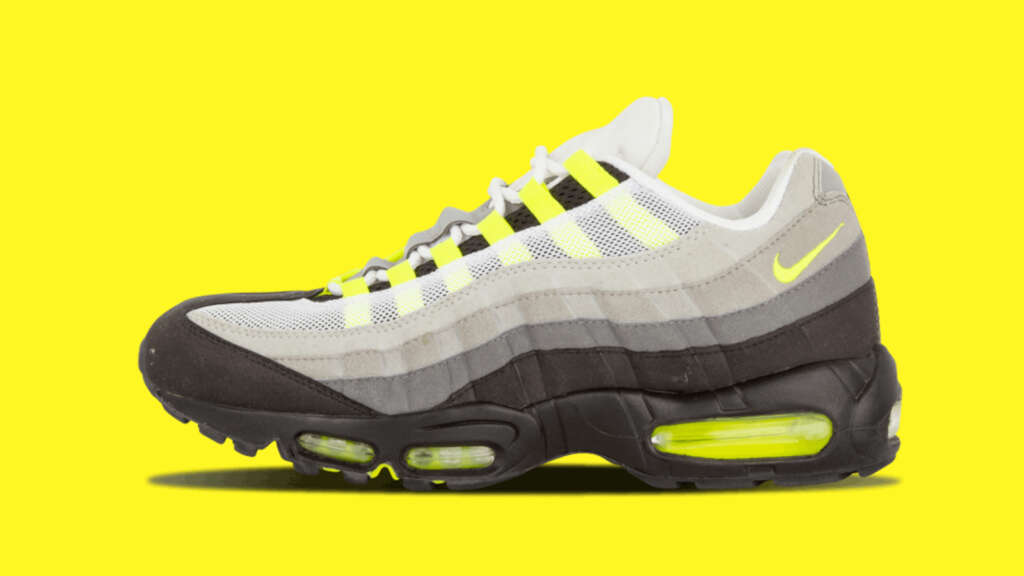
The Air Max 95 emerged as the centerpiece of the celebration. Multiple releases paid tribute to one of Nike’s most influential silhouettes, a model that continues to resonate more than three decades after its debut.
Collaborations also played a major role. Patta returned with a new Air Max 1 colorway, while Ducks of a Feather delivered Oregon inspired Air Max 95s that became some of the most discussed releases of the season.
The Legacy Models That Continue To Carry The Brand
One of the biggest takeaways from Air Max Day 2026 was Nike’s increasing reliance on heritage.
The company once built Air Max Day around groundbreaking technology. Today, many of the year’s biggest moments are driven by models that first appeared decades ago.
The pillars remain:
- Air Max 1 (1987)
- Air Max 90 (1990)
- Air Max 95 (1995)
- Air Max 97 (1997)
- Air Max Plus (1998)
The Air Max 95, in particular, has become Nike’s equivalent of a blue-chip asset. The return of “Neon” colorways and multiple anniversary-inspired releases demonstrated how powerful the silhouette remains among collectors and casual consumers alike.
Yet there is an ongoing debate within the sneaker community. Some enthusiasts have questioned whether Nike is leaning too heavily on retro releases rather than creating future classics. Discussions across sneaker forums and Reddit reflected concerns that nostalgia may be overshadowing innovation.
The Boardroom Shift Behind The Sneakers
The bigger story may not have been the shoes themselves.
Throughout 2026, Nike’s leadership signaled a renewed commitment to innovation after several years of criticism that the brand had become overly dependent on archival products and limited-edition collaborations.
The launch of the Air Liquid Max represented one aspect of that strategy. Rather than simply reissuing an old favorite, Nike introduced an entirely new Air Max silhouette built around a sculpted, futuristic Air unit system. The model became the technological centerpiece of Air Max Day.
Beyond footwear, Nike executives have also outlined plans to expand Air technology into apparel and performance systems. Through initiatives such as Unlimited Air and the newly announced Air Works program, the company is positioning Air as a broader innovation platform rather than just a sneaker feature.
In simple terms, Nike’s boardroom appears to be pursuing a two-pronged strategy:
- Monetize iconic heritage products.
- Invest in the next generation of Air technology.
The challenge is balancing both without alienating either collectors or younger consumers.
The Future Of Air
Air Max Day 2026 felt less like a celebration and more like a referendum.
The success of legacy models proved that classics such as the Air Max 95 and Air Max 90 still command attention. At the same time, the introduction of the Air Liquid Max suggested Nike understands that nostalgia alone cannot carry the franchise forever.
For nearly 40 years, Air Max has survived changing trends, economic cycles, and evolving sneaker tastes because it represented something larger than footwear: visible innovation.
As Nike looks toward the Air Max 1’s 40th anniversary and the next era of Air technology, New York’s 2026 celebration served as a reminder that the future of the franchise may depend on honoring its past without becoming trapped by it.